**How Can Creator Filtering Help Brands Find the Right Influencers?**
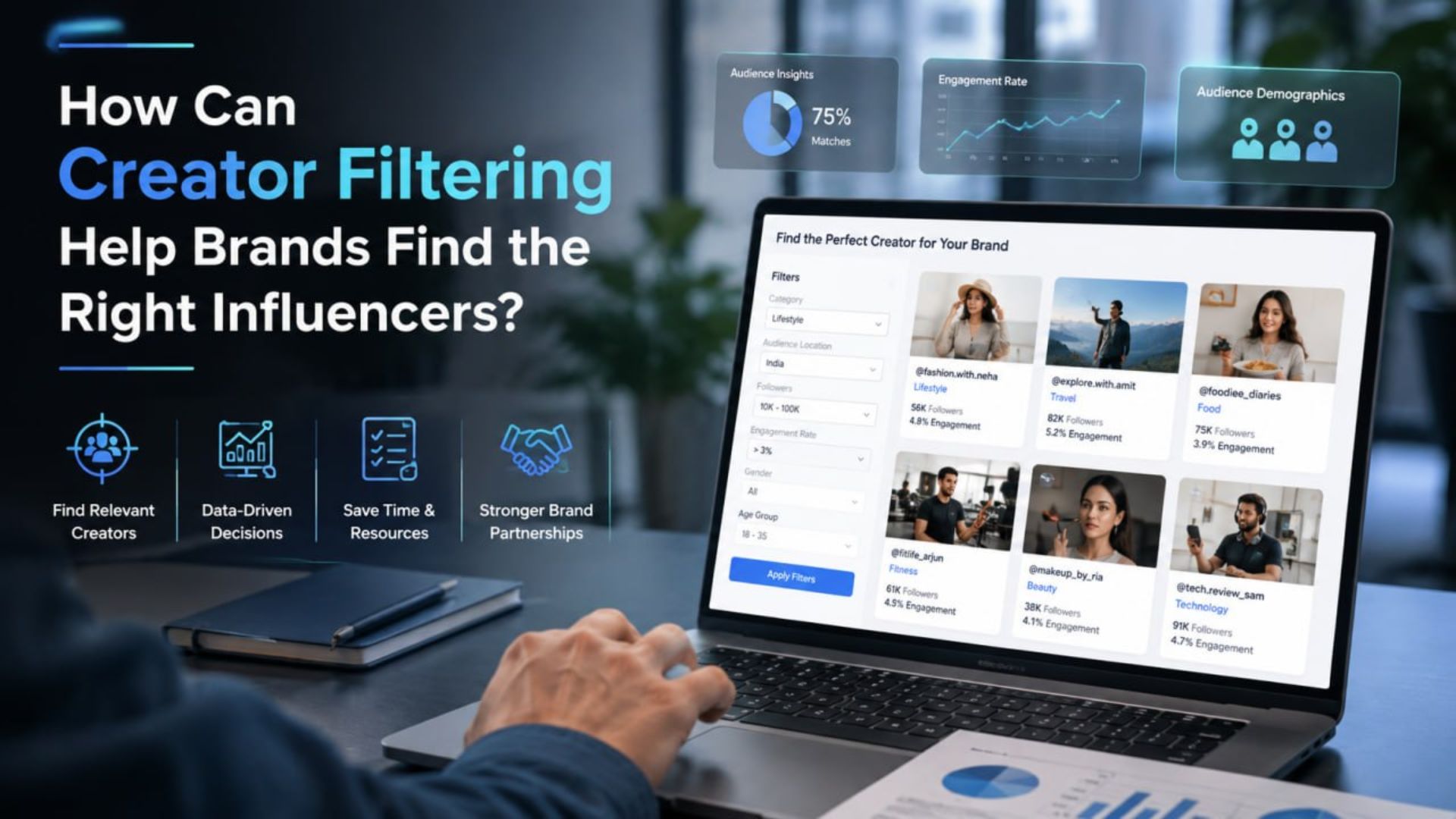
How can a brand identify the right creator when social platforms are filled with millions of accounts competing for attention? Choosing influencers based only on follower numbers often creates expensive mismatches and campaigns that fail to reach the intended audience. The real challenge lies in understanding who can genuinely connect with a specific market and communicate a message naturally. ***[Creator Filtering](https://creatorsville.com/creator-filtering/)*** helps businesses narrow their search by examining factors such as content relevance, audience demographics, engagement quality, location, and overall brand compatibility. When used strategically, this process replaces random selection with informed decision-making and creates a stronger foundation for meaningful, measurable, and authentic creator partnerships.
**What Is Creator Selection and Why Does It Matter?**
Creator selection is the process of identifying individuals whose audience, content, communication style, and influence align with a campaign's objectives. It is much more complex than finding someone with a large social media following.
Every campaign has a different purpose. A brand focused on awareness may benefit from creators with wider reach, while a company seeking conversions may achieve better results through niche creators with highly engaged communities. Understanding this distinction helps marketers avoid investing in visibility that does not translate into meaningful outcomes.
For example, a sustainable fashion brand may find greater value in partnering with a smaller creator who consistently discusses ethical consumption than with a celebrity whose audience follows them primarily for entertainment. Relevance often creates stronger engagement because the promotional message fits naturally into the creator's existing content.
**How Should Brands Find the Right Creators?**
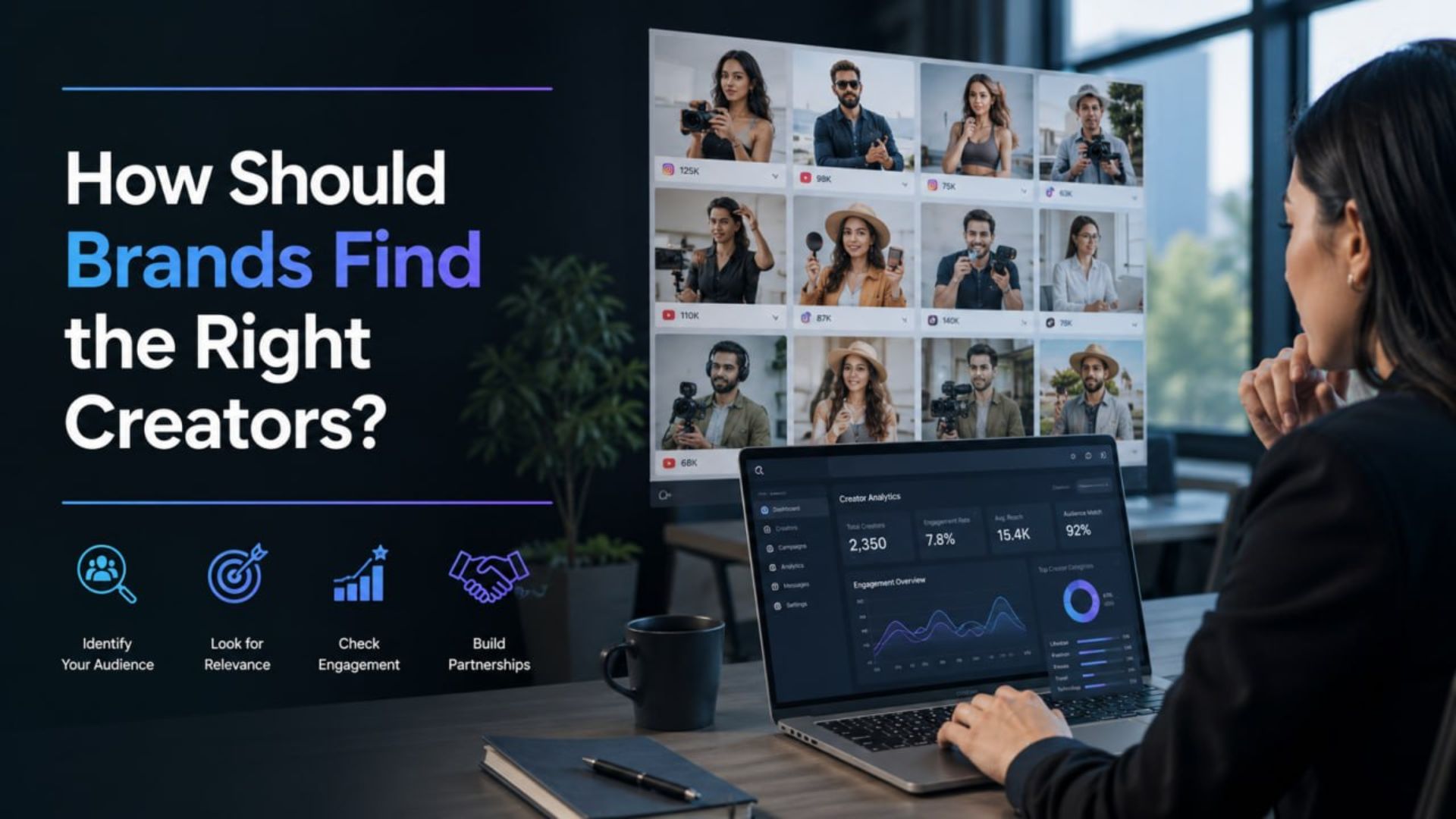
The process should begin with a clear understanding of the campaign goal. Brands need to identify who they want to reach, what action they want the audience to take, and which platform is most relevant to that audience.
Once these factors are clear, marketers can examine potential creators based on their content topics, audience characteristics, posting consistency, engagement patterns, and previous collaborations. Looking at recent content is particularly important because creators can change their style, interests, and audience over time.
A careful review should also consider the quality of audience interaction. Meaningful comments, relevant conversations, and genuine community participation can provide stronger signals than simple likes. Numbers can reveal patterns, but they do not always explain why an audience trusts a creator.
The strongest selection process combines measurable data with human judgment. Technology can reduce the number of profiles to review, while marketers can determine whether a partnership feels authentic.
**How Much Does Creator Discovery Cost?**
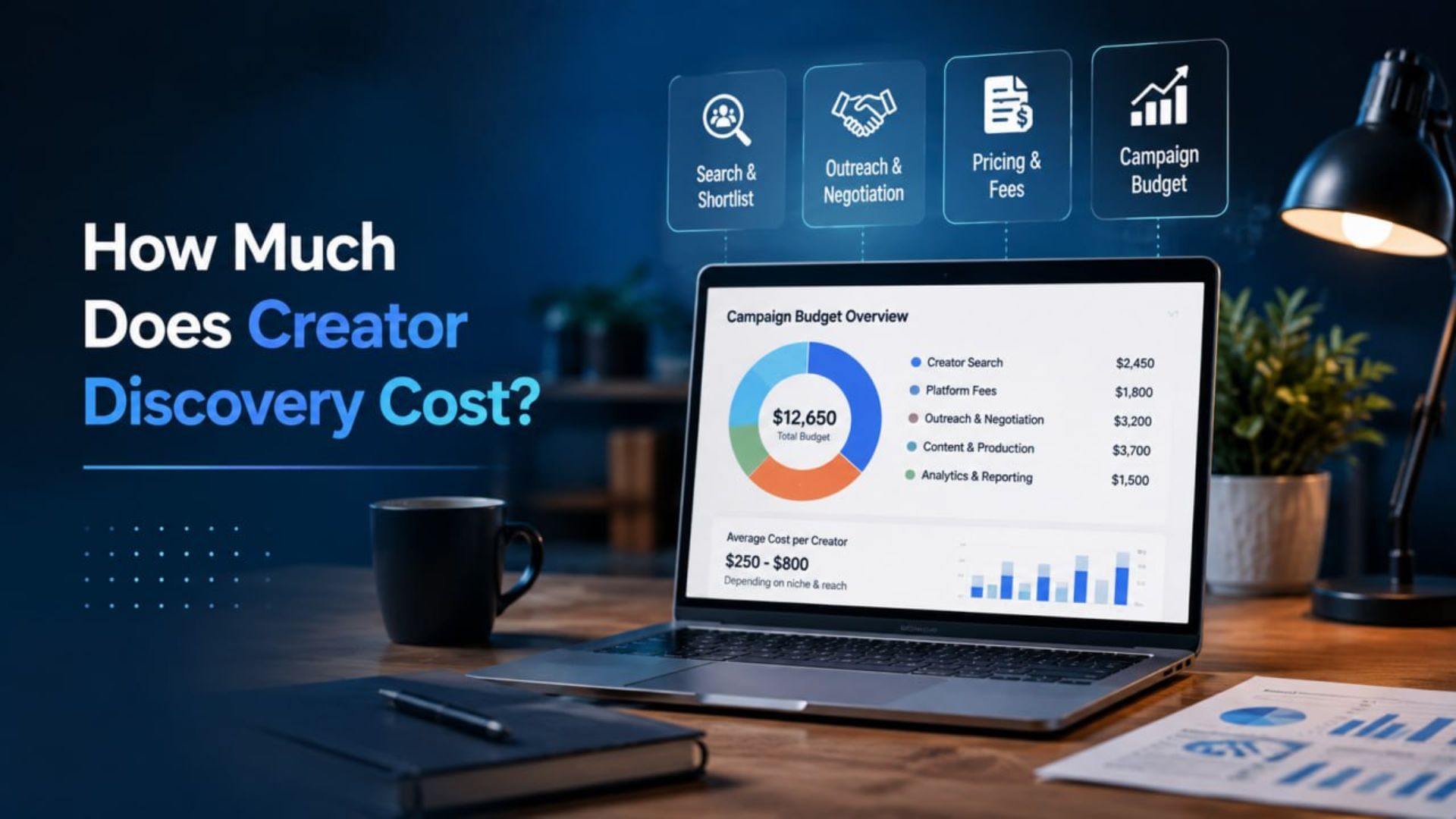
The cost of creator discovery depends largely on the size and complexity of a campaign. Small businesses may conduct research manually using social platforms and spreadsheets, which requires little direct financial investment but can consume significant employee time.
Larger organizations often use dedicated platforms that provide searchable databases, audience insights, performance metrics, and campaign management features. These tools can involve monthly or annual subscription costs, depending on the level of functionality required.
However, the actual cost should not be measured only by software pricing. Businesses should also consider the time spent searching through irrelevant profiles, evaluating unsuitable partnerships, and correcting mistakes caused by poor creator selection.
A well-organized discovery process can save resources by reducing unnecessary outreach and improving the chances of finding suitable partners earlier. The best solution is not automatically the cheapest or most expensive option. It is the approach that provides useful information while matching the scale and objectives of the campaign.
You can also watch: ***[Say hello to Creators Ville](https://youtube.com/shorts/MPaaQ-GlR8g?si=x1QC-lMDmVyY3Htk)***
**Conclusion**
***[Creator Filtering](https://creatorsville.com/creator-filtering/)*** can help brands move beyond superficial metrics and make smarter partnership decisions. The most effective approach combines campaign clarity, relevant audience insights, technology, and thoughtful human evaluation. Instead of searching for the largest possible audience, businesses should focus on finding creators whose communities and content genuinely connect with their objectives. By reviewing partnerships carefully and testing strategies before scaling, brands can reduce costly mistakes and build more credible collaborations. Start refining your creator discovery process today to create partnerships that deliver stronger, more meaningful marketing results.
**FAQs**
What is the best way to find the right creators for a campaign?
The best approach begins with defining campaign objectives and understanding the target audience. Brands should then evaluate creators based on content relevance, audience characteristics, recent activity, engagement quality, and communication style. Combining technology with manual review creates a more balanced and reliable selection process.
How much does it cost to find creators for influencer marketing?
Costs vary depending on whether a business uses manual research or paid discovery platforms. Manual methods require more time, while software tools involve subscription expenses. Businesses should evaluate the overall value by considering research efficiency, campaign scale, and the potential cost of choosing unsuitable partners.
What is the biggest mistake when selecting influencers?
The biggest mistake is relying on a single metric, particularly follower count. Successful partnerships depend on multiple factors, including audience relevance, content quality, authenticity, and campaign alignment. Brands that review creators holistically are more likely to build partnerships that produce meaningful engagement and stronger results.