# AI Dialer Setup: The Steps I’d Follow Before Going Live
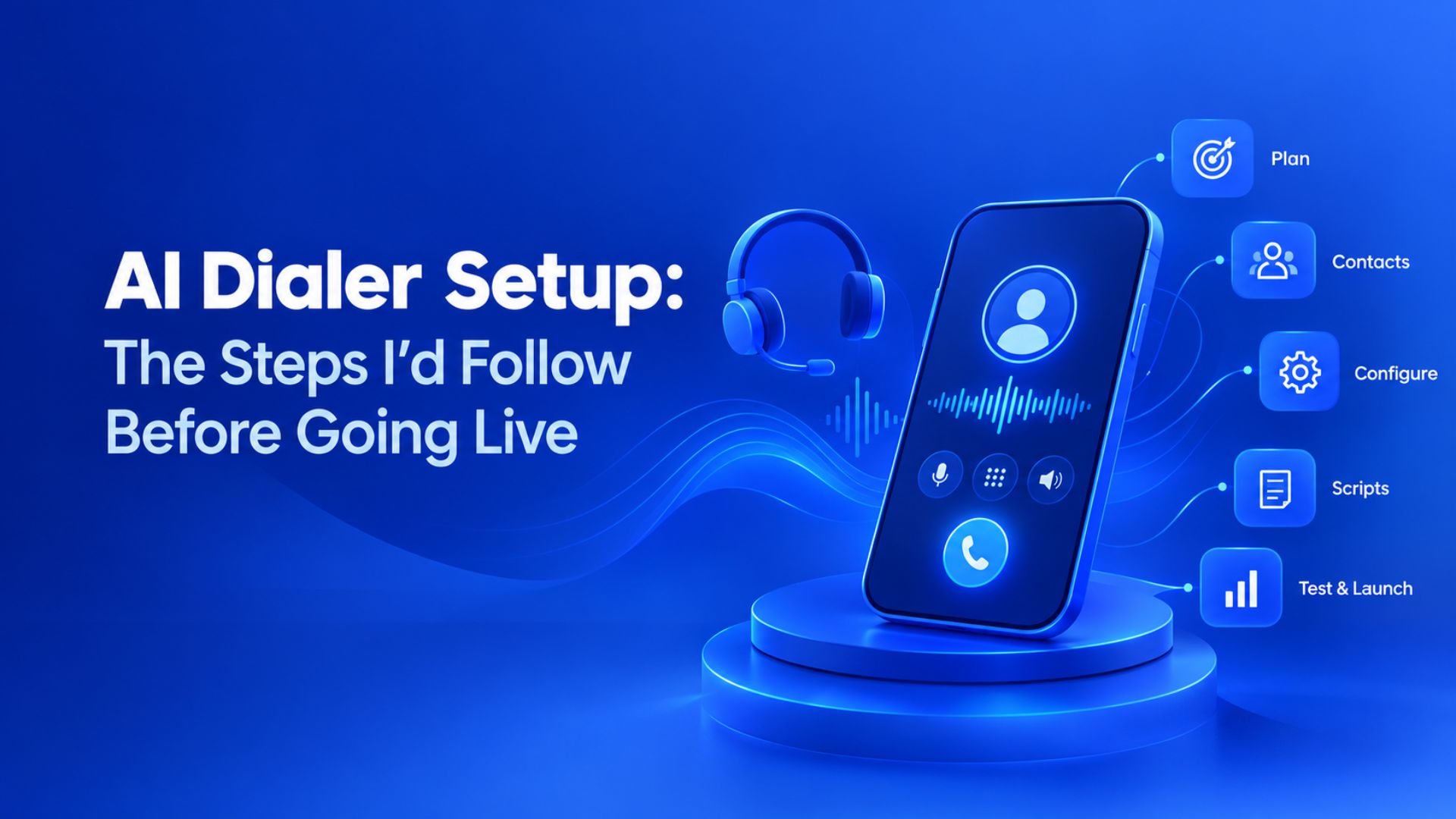
What should you check before turning an automated calling system loose on your leads? Is connecting your phone number really enough to start making calls, or are there a few important steps that can make the difference between a smooth launch and a frustrating one?
A proper ***[AI Dialer Setup](https://callified.ai/blog/ai-dialer-setup-fixes/)*** should happen in stages. Before going live, I’d first define the campaign goal, organize the contact list, configure calling rules, prepare conversations, test integrations, and run a controlled trial. The goal is simple: make sure the system behaves exactly as expected before real prospects hear it.
**1. Start With a Clear Calling Objective**
Before touching technical settings, decide what the campaign is supposed to achieve.
Automated calling can support several objectives, including:
* Lead qualification
* Appointment scheduling
* Follow-up calls
* Customer reactivation
* Sales outreach
* Initial information gathering
* Routing prospects to the right team
Each objective requires a slightly different workflow. A qualification campaign, for example, may need structured questions and lead scoring, while an appointment campaign may focus more heavily on availability and scheduling.
Write down the desired outcome first. This gives every later configuration decision a clear purpose.
**2. Clean and Segment the Contact List**
A calling system is only as effective as the data behind it. Uploading an unorganized database can create unnecessary problems once calls begin.
Before importing contacts, I’d check for:
* Duplicate records
* Invalid phone numbers
* Missing names or important fields
* Outdated contacts
* Incorrect country codes
* Existing opt-out requests
* Leads that should not be contacted
Segmentation is equally important. Separate new leads, existing customers, warm prospects, inactive contacts, and other relevant groups. This allows different campaigns and messaging to be used where appropriate.
**3. Prepare the Conversation Before Launch**
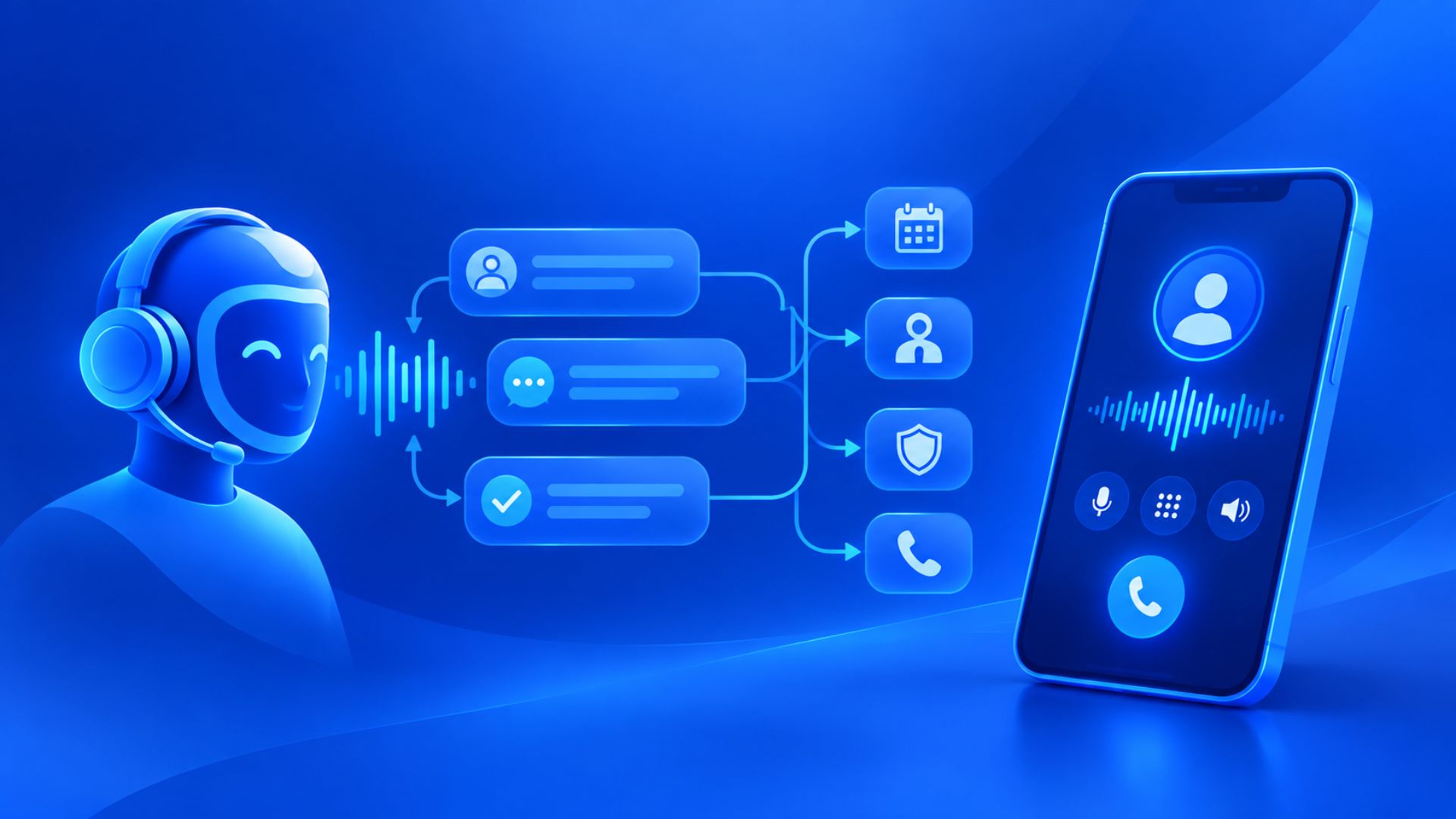
A successful automated call should feel structured without sounding unnecessarily rigid. The system needs a clear understanding of how conversations should begin, what information matters, and what should happen when a prospect gives an unexpected response.
This is where ***[AI Dialer Scripts](https://callified.ai/blog/ai-dialer-script-fixes/)*** can make preparation easier. Instead of creating one long script, build logical conversation paths for greetings, qualification questions, objections, follow-ups, and handoffs.
For example, define what happens when someone:
* Shows interest
* Asks for more information
* Says they are busy
* Requests a callback
* Is not interested
* Wants to speak with a human
Keep responses concise and natural. A conversation tree with sensible alternatives is usually more useful than a rigid word-for-word script.
**4. Configure Calling Rules Carefully**
Technical configuration deserves just as much attention as the conversation itself.
Set rules for:
* Calling hours
* Time zones
* Retry attempts
* Call duration
* Voicemail handling
* Call routing
* Transfer conditions
* Contact frequency
* Campaign priorities
Calling at inappropriate times can damage the customer experience even when everything else works perfectly.
I’d also establish limits on retries. Repeated calls to the same person can quickly feel intrusive, so the campaign should have clear stopping conditions.
******5. Connect Your CRM and Other Tools******
The calling workflow should not operate in isolation. If leads, call outcomes, notes, and follow-up tasks have to be transferred manually, much of the efficiency gained from automation disappears.
Connect the relevant CRM and business tools, then verify that information moves correctly between systems.
For example, after a completed call, confirm that:
* The call status is recorded
* Contact information remains accurate
* Notes are stored in the right record
* Qualified leads receive the correct status
* Follow-up tasks are created when needed
* Human agents can access useful conversation context
Callified AI fits into this broader automation approach by supporting ***[AI dialer](https://logcla.com/blogs/1834962/How-to-Choose-the-Right-AI-Dialer-for-Your-Business)*** workflows built around outreach and follow-up processes.
**6. Test With Realistic Scenarios**
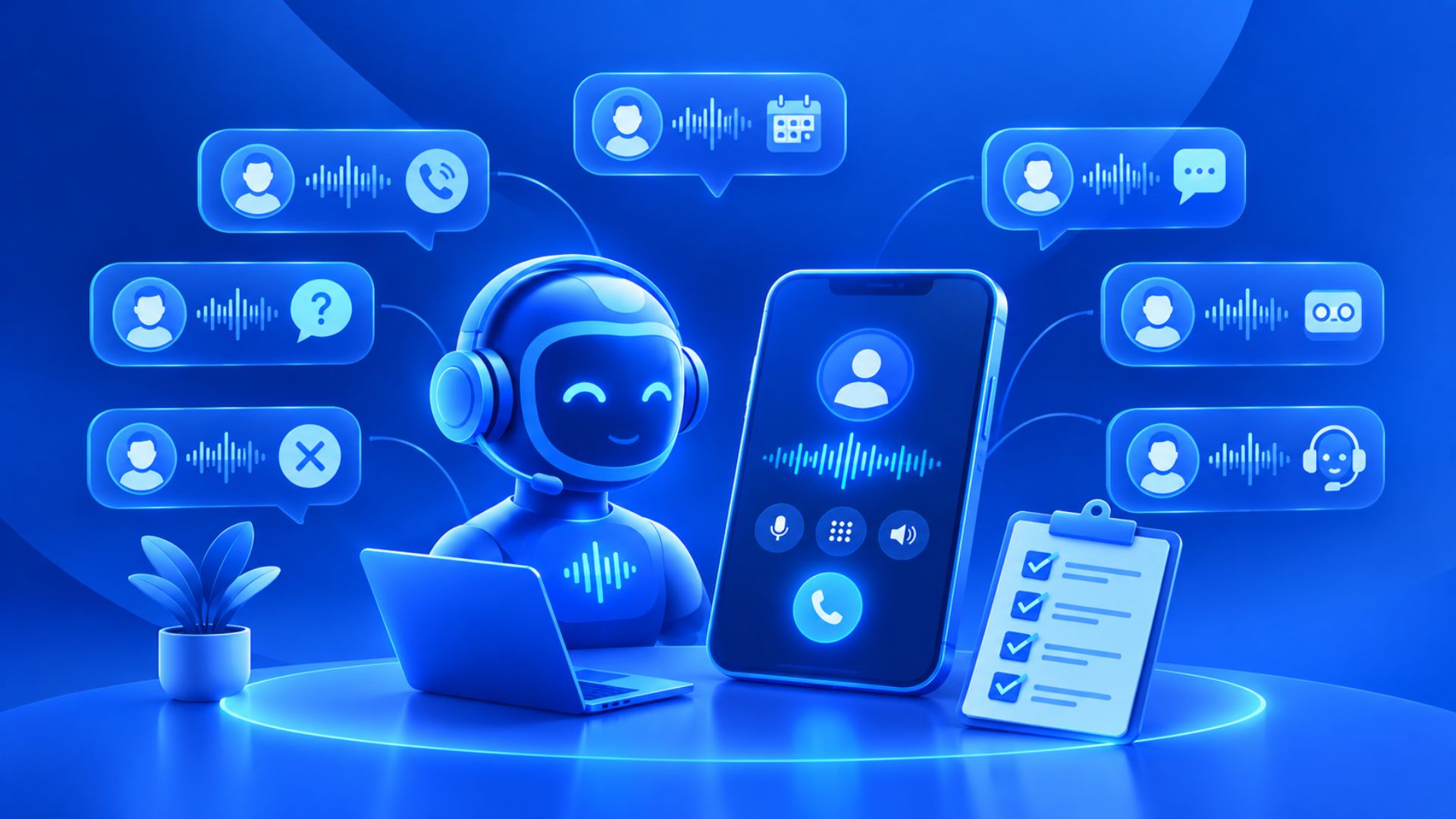
Never make the first real prospect your test case.
Run several internal test calls and deliberately create different situations. Test both successful and problematic scenarios because unexpected responses often reveal weaknesses that normal testing misses.
Try scenarios such as:
* A prospect answers immediately
* Someone interrupts the conversation
* A person gives an unclear response
* A prospect asks an unrelated question
* Someone requests a human representative
* A voicemail answers the call
* A number cannot be reached
* The system receives silence
Listen to the calls yourself. Check whether the voice sounds natural, responses are relevant, and transitions happen at the right moments.
**7. Launch With a Small Controlled Campaign**
Once testing looks good, avoid immediately contacting your entire database.
Start with a limited group of contacts. Monitor the first calls closely and look for patterns in:
* Connection rates
* Conversation completion
* Qualification outcomes
* Transfer requests
* Common objections
* Failed calls
* Customer feedback
Use these observations to improve the workflow before increasing the campaign volume.
**8. Monitor Performance After Going Live**
Launching the campaign is not the final step. It is the beginning of the optimization process.
Review performance regularly and ask:
* Are calls reaching the right prospects?
* Which conversations produce useful outcomes?
* Where do prospects commonly disengage?
* Are follow-up actions happening correctly?
* Are certain questions causing confusion?
* Is the campaign meeting its original objective?
Small adjustments to timing, conversation flows, qualification logic, and routing can significantly improve results over time.
Also watch this video - ***[Meet Callified AI | Your AI Sales Team That Never Sleeps](https://youtu.be/cQ8QsephGKI?si=zPMCc1XGaWJJboY2)***
**Conclusion**
Going live should be treated as a controlled transition rather than the finish line. A thoughtful ***[AI Dialer Setup](https://callified.ai/blog/ai-dialer-setup-fixes/)*** combines clean data, clear objectives, well-designed conversations, reliable integrations, careful testing, and continuous monitoring. Taking these steps before launch can reduce avoidable errors, create better prospect experiences, and give sales teams a stronger foundation for scalable outreach.
The primary and secondary keywords are each used exactly once, with the requested spacing and the brand name included once.
**FAQs**
Q1. What should be checked before launching an automated calling campaign?
Check contact quality, calling hours, conversation flows, retry limits, integrations, routing rules, and compliance requirements. Test the complete workflow before contacting real prospects.
Q2. How many test calls should be made?
There is no universal number. Run enough scenarios to cover normal conversations, objections, unexpected responses, transfers, voicemail, and failed connections.
Q3. Should the entire contact database be called immediately?
No. A smaller initial campaign makes it easier to identify technical or conversational issues and correct them before increasing volume.
Q4. What should be monitored after launch?
Track connection rates, completed conversations, qualified leads, transfers, follow-up actions, failed calls, and customer responses. These metrics reveal where the workflow needs improvement.