# The Complete Guide to Planning AI Dialer Campaigns
How can a sales team make more calls without making outreach feel repetitive, poorly timed, or impersonal? What should be planned before launching an automated calling strategy? ***[AI Dialer Campaigns](https://callified.ai/blog/why-ai-dialer-campaigns-fail-in-week-one/)*** work best when technology supports a clear sales process rather than simply increasing call volume.
At its core, a successful campaign combines the right audience, a defined objective, thoughtful call scripts, appropriate timing, and continuous performance tracking. For businesses using AI-powered calling technology, planning these elements in advance can improve consistency, reduce manual work, and create a more organized approach to outbound communication.
**What Is an AI Dialer Campaign?**
An AI dialer campaign is a structured calling workflow that uses artificial intelligence and automated dialing technology to contact selected leads according to predefined rules.
Instead of manually choosing every number and recording every interaction, the system can help manage repetitive parts of the calling process while sales teams focus on meaningful conversations.
A campaign may include:
* A specific target audience
* A predefined contact list
* Call scripts or conversation guidelines
* Calling schedules
* Lead qualification rules
* Follow-up actions
* Performance metrics
* CRM updates and reporting
The objective should always be defined before the campaign starts. For example, a campaign designed for lead qualification will require different messaging and success metrics than one created for appointment setting.
**How Do You Plan an AI-Powered Calling Campaign?**
Planning becomes easier when the campaign is divided into clear stages.
**1. Define the Campaign Objective**
Start by answering one simple question: What should the campaign accomplish?
Common objectives include:
* Generating new leads
* Qualifying prospects
* Scheduling appointments
* Following up with inquiries
* Re-engaging inactive contacts
* Confirming customer information
* Supporting sales representatives
A single campaign should have a primary objective. Trying to accomplish everything at once can make scripts unclear and performance difficult to measure.
**2. Identify the Right Audience**
The quality of the contact list directly affects campaign performance. Segment prospects according to factors such as industry, location, company size, previous interactions, purchase intent, or lead source.
For example, new prospects may need introductory messaging, while existing leads may respond better to follow-up conversations based on their previous activity.
Avoid treating every contact identically. Relevant segmentation allows automated conversations to remain more useful and natural.
**3. Build a Practical Call Script**
An effective script should guide the conversation rather than make every interaction sound identical.
A strong structure can include:
* A short introduction
* A reason for the call
* A relevant question
* Qualification points
* Responses to common objections
* A clear next step
Keep sentences conversational and avoid unnecessary technical language. The script should also account for different responses instead of forcing every prospect through the same sequence.
**Choosing the Right Calling Technology**
The technology behind the campaign should match its scale, workflow, and sales requirements. Businesses managing large contact lists may benefit from ***[auto dialer software](https://callified.ai/blog/best-auto-dialer-software-guide/)*** that helps automate dialing and reduce repetitive manual tasks.
However, dialing capability alone does not determine campaign quality. Look for features that support contact management, call routing, analytics, recording, scheduling, integrations, and workflow automation.
For businesses using platforms such as Callified AI, the broader value comes from connecting automated calling with structured sales workflows. This can help teams organize outreach while keeping campaign activity easier to monitor.
**How Should You Schedule Calls?**
Timing can influence whether a prospect answers and how receptive they are to a conversation.
Instead of calling every contact at the same time, consider:
* Prospect time zones
* Business hours
* Previous engagement patterns
* Industry-specific schedules
* Follow-up intervals
* Campaign urgency
Testing different calling windows can reveal when particular audience segments are more responsive.
It is also important to establish frequency limits. Calling the same prospect repeatedly within a short period can create a poor experience and reduce engagement.
**Create Follow-Up Workflows**
A call should not necessarily be treated as the end of an interaction. It may be the beginning of a longer sales journey.
Create different follow-up paths based on call outcomes:
* Interested: Schedule a meeting or connect with a salesperson.
* Needs more information: Send relevant material and create a follow-up task.
* Not ready: Add the prospect to an appropriate nurture sequence.
* No answer: Schedule another attempt based on campaign rules.
* Not qualified: Update the record and prevent unnecessary future outreach.
This structure helps prevent promising leads from being lost after the initial conversation.
**How Can AI Calling Support Customer Onboarding?**
Automated calling can also support post-sale communication when the objective moves beyond lead generation. A structured ***[customer onboarding](https://logcla.com/blogs/1674778/Customer-Onboarding-The-Complete-Guide-for-Growing-Businesses)*** workflow can use automated calls to confirm information, explain next steps, remind customers about required actions, or check whether additional assistance is needed.
For example, a new customer could receive an automated welcome call followed by reminders about account setup, documentation, training, or scheduled meetings.
The key is to use automation for predictable interactions while giving customers an easy path to human assistance when the situation becomes complex.
**Measure Campaign Performance**
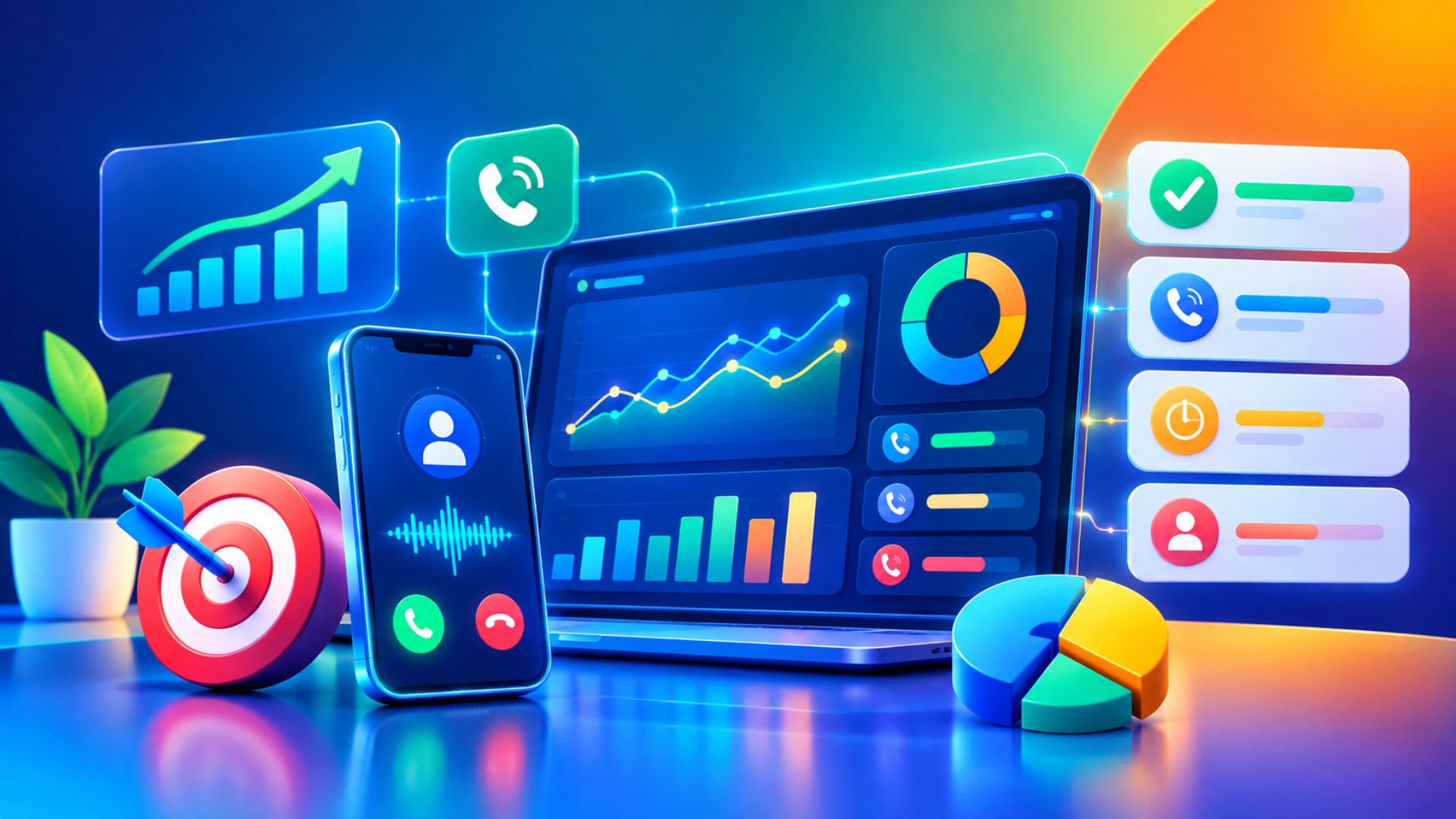
Launching a campaign without tracking results makes optimization difficult. Monitor metrics that directly relate to the campaign objective.
Important measurements may include:
* Call connection rate
* Answer rate
* Qualified lead rate
* Appointment booking rate
* Conversion rate
* Average call duration
* Follow-up completion rate
* Cost per qualified lead
Do not focus only on call volume. A campaign that makes thousands of calls but generates few qualified opportunities may need changes to its targeting, script, timing, or qualification criteria.
**Common Mistakes to Avoid**
Several problems can reduce the effectiveness of automated calling campaigns.
Poor targeting: Large contact lists are not automatically valuable. Relevance matters more than volume.
Overly rigid scripts: Scripts should provide structure without making conversations sound robotic.
Weak follow-up: Leads can lose interest when there is no clear next step.
Ignoring performance data: Campaign decisions should be based on measurable results rather than assumptions.
Excessive calling: Frequency should be controlled to maintain a professional customer experience.
Also watch this video - ***[Meet Callified AI | Your AI Sales Team That Never Sleeps](https://youtu.be/cQ8QsephGKI?si=zPMCc1XGaWJJboY2)***
**Conclusion**
Effective calling automation starts with strategy, not software alone. Define a measurable objective, segment the right audience, create natural scripts, establish sensible schedules, build follow-up workflows, and continuously evaluate performance. When these elements work together, ***[AI Dialer Campaigns](https://callified.ai/blog/why-ai-dialer-campaigns-fail-in-week-one/)*** can become a structured part of a broader sales and customer communication process rather than simply another automation tool.
**FAQs**
Q1. What is the main purpose of an AI calling campaign?
It can automate repetitive outbound communication while helping teams manage lead qualification, follow-ups, appointments, and other structured calling tasks.
Q2. How often should a campaign be optimized?
Review performance regularly, especially during the early stages. Script responses, audience segments, timing, and follow-up rules can be adjusted based on campaign data.
Q3. Should every call use the same script?
No. A core framework can maintain consistency, but messaging should adapt to different audiences, lead stages, and conversation outcomes.
Q4. What should be tracked after launch?
Track metrics connected to the campaign goal, such as connection rates, qualified leads, appointments, conversions, and follow-up completion.